Burke County septic support for rural homes, small farms, and property managers
Septic Service in Waynesboro and Burke County
Proudly serving Waynesboro, the Bird Dog Capital of the World.
We handle the dirty work so rural homeowners, farms, and property managers across Burke County don't have to. Whether it's routine tank pumping, emergency repairs, pre-sale inspections, or a new system install, we provide straightforward help and connect you with qualified local providers. No call centers, no runaround — just clear communication and experienced hands for every visit.
Tank Pumping
Routine pumping and cleaning with maintenance advice based on household size and tank capacity.
System Repairs
Targeted fixes for baffles, lids, lines, backups, and drain field concerns before they escalate.
Property Inspections
Essential for home sales, diagnosing mysterious odors, and deciding whether repair or replacement fits.
What Septic Services Are Available in Waynesboro and Burke County?
Property owners around here have access to tank pumping, repair, inspection, and drain field troubleshooting. We cover residential lots across the county — about 830 square miles of terrain ranging from loamy soils near the Savannah River floodplain to the dense red clay that dominates upland areas. Georgia EPD regulations require system work to follow specific permitting and inspection protocols.
How Does Burke County's Red Clay Soil Affect Septic System Performance?
Upland soils here are predominantly dense red clay with low percolation rates, which directly impacts drain field sizing and performance. Standard perc tests in the region typically show rates between 30-60 minutes per inch, requiring larger drain field areas than sandy soils would need. This clay composition also means systems are more susceptible to saturation during heavy rain, making consistent pumping and maintenance especially critical for longevity.
What Permits Are Required for Septic Work in Burke County?
Installation, repair, and modification work in Burke County requires permitting through the Georgia EPD and the Burke County Environmental Health office. New installations need a completed soil evaluation and perc test before permit approval. We handle the permitting process for customers, including Georgia EPD applications, site assessments, and final inspections that verify compliance with state and county regulations.
Professional Septic Help Built for Rural Georgia Properties
We focus on the issues local homeowners run into most — from routine tank maintenance to emergency troubleshooting. Every property is a little different, so we start by listening to what's actually happening at your place.
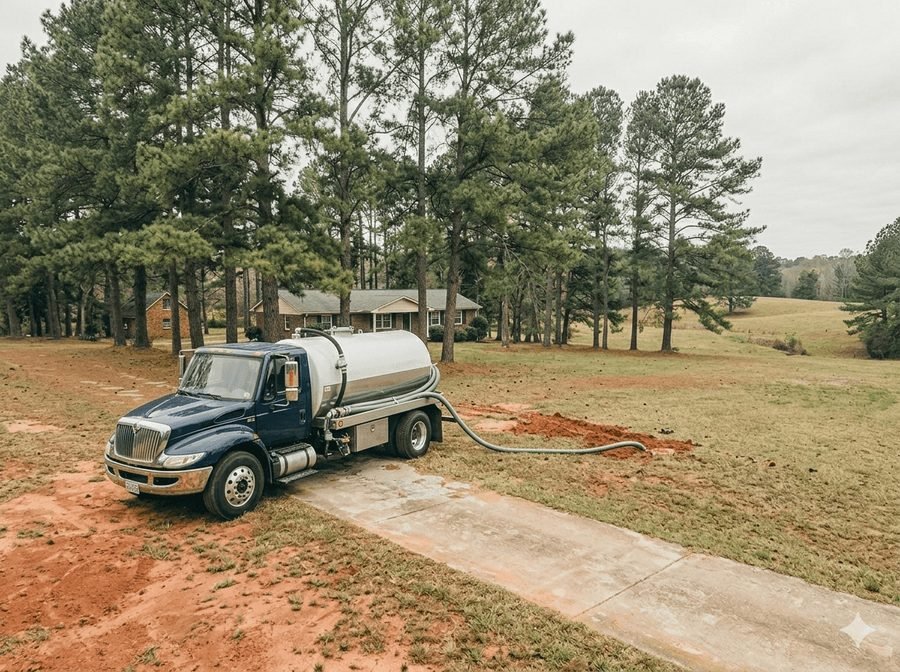
Septic tank pumping
Pumping often gets postponed until warning signs appear, but staying on schedule is still the cheapest way to avoid a much bigger repair. If solids are building up, getting them out protects both the tank and the field lines.
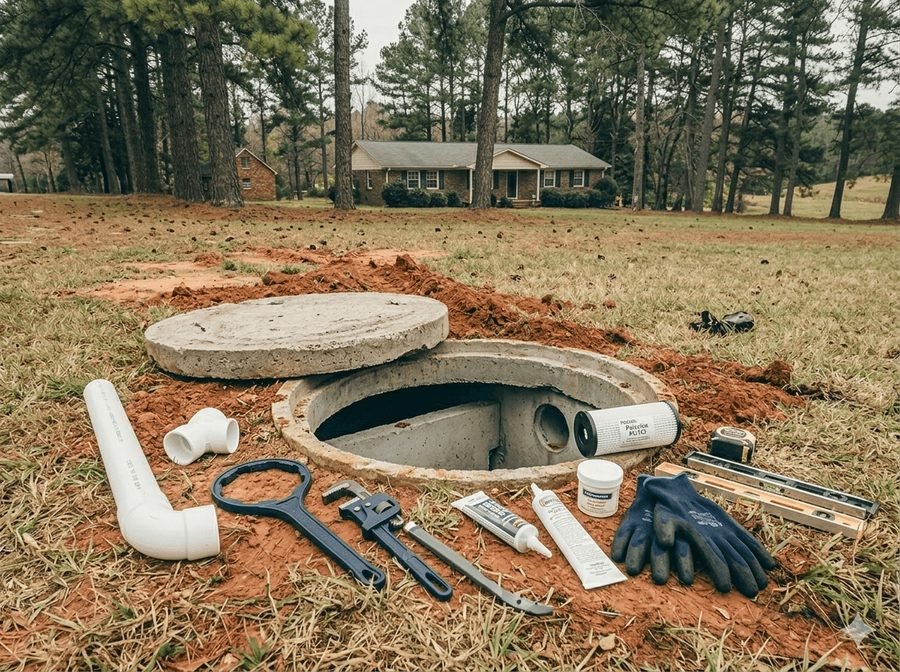
System repair
Repair work here can involve baffles, lids, lines, leaks, or the early stages of drain field trouble. The goal is figuring out whether the issue is isolated and fixable or whether the system is moving toward replacement.
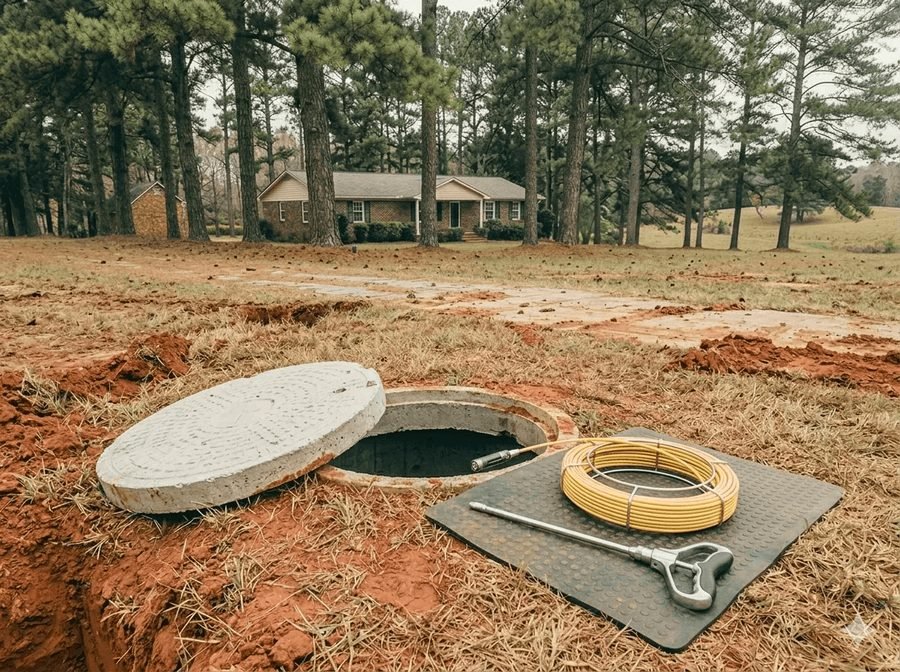
Property inspections
Inspections help buyers, sellers, and current owners understand tank condition, likely maintenance needs, and whether the system shows signs of stress. They're also useful when recurring odors or backups don't have an obvious cause.
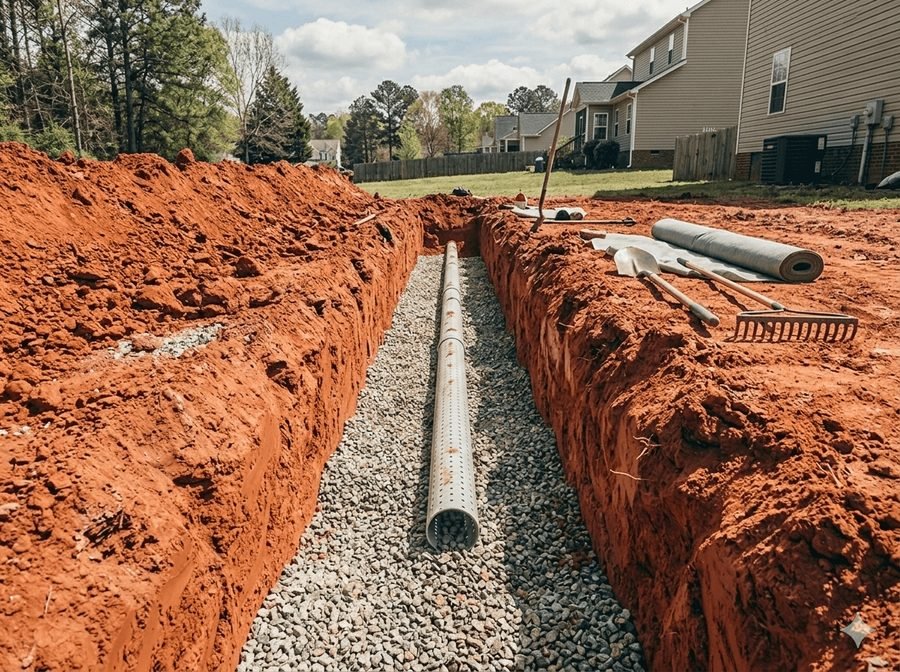
Leach field evaluation
Soft ground, surfacing wastewater, or persistent odor near the field can point to a system in decline. We help determine whether the issue is compaction, oversaturation, line damage, or long-term overload.
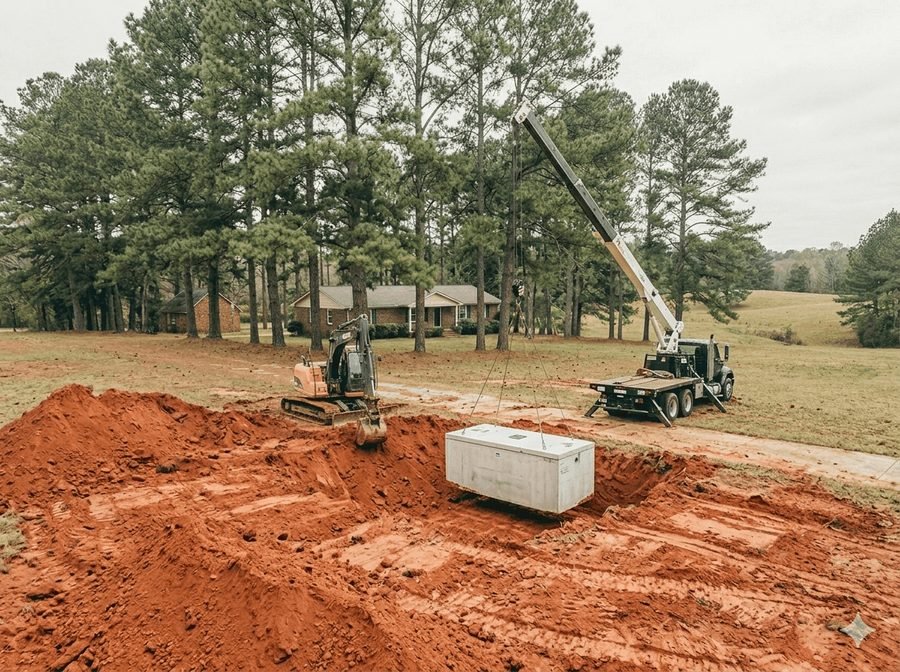
Installation & replacement
When repairs stop making financial sense, a new system discussion becomes the next step. Replacement planning typically involves site constraints, local permitting, and choosing the right system type for the property.
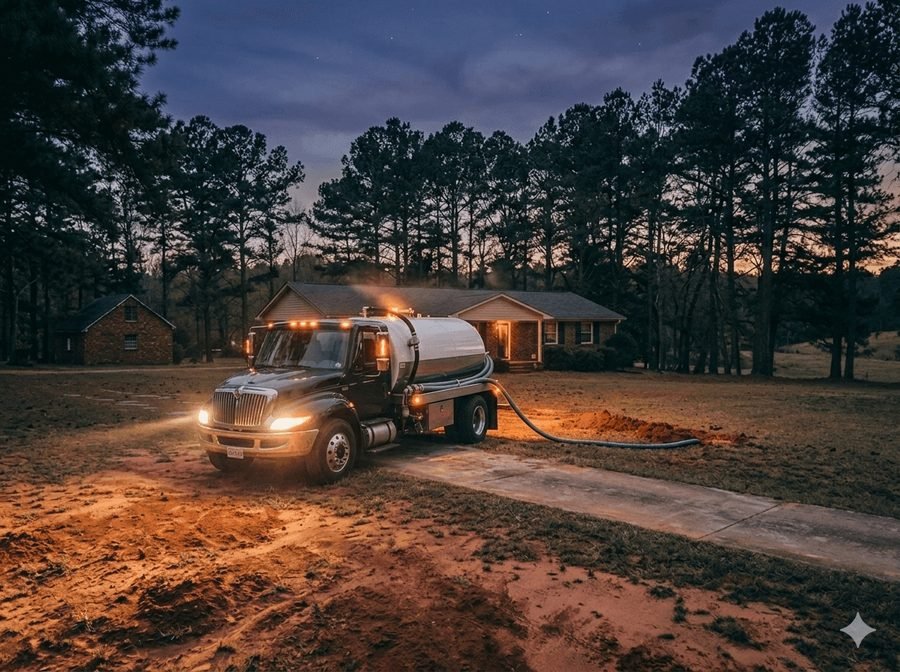
Maintenance guidance
Most systems last 20 to 30 years with consistent upkeep — routine pumping every 3 to 5 years, careful flushing habits, and managed water use keep everything running well. We help you build a realistic schedule that protects your drain field over the long haul.
Affordable Help for Common Local Issues
Most properties around here run on private systems — so the first warning signs show up on your own land. A small fix now beats a saturated drain field later, every time.
Common warning signs
- Slow drains across multiple fixtures
- Gurgling or backups after heavy household use
- Standing water or greener patches over field lines
- Persistent odor near the tank or yard
Why local context matters
Homes, outbuildings, and rural lots are not all set up the same way. Tank size, soil behavior, system age, and rainfall patterns all affect what kind of attention is actually appropriate.
Getting the Help You Need, Step by Step
Things move faster when your first message includes the symptom, the property area, and the last known pump date. That gives us enough detail to point you in the right direction — whether that's pumping, an inspection, or a repair visit.
Describe the issue
Share your property area, the symptom you are seeing, whether the tank has been pumped recently, and if the problem affects the whole house or just one fixture.
Get a practical response
We give you guidance based on the symptoms — whether it sounds like routine pumping, a repair, an inspection, or something deeper in the field.
Move to the next action
That may be scheduling a visit, preparing for an inspection, or getting a quote range for repair versus replacement so you can decide without guesswork.
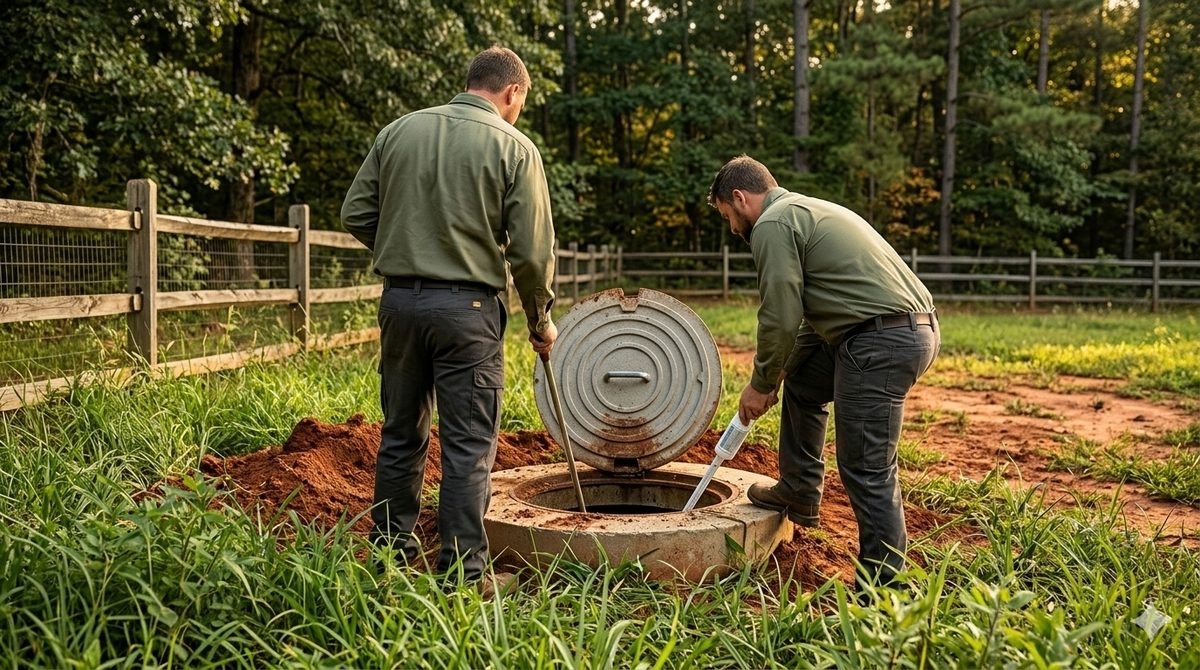
Local Septic Help for Waynesboro and Burke County Homeowners
Rural properties here rely on systems that rarely get attention until something goes wrong. Our goal is to make that first step easier — whether you need routine pumping, a pre-sale inspection, or a straight answer from someone who knows the area.
Local know-how matters when you're dealing with red clay soil and older housing stock. Getting the right fix starts with understanding what's actually happening on your specific lot.
Get a Free QuoteService Coverage Across Waynesboro and Burke County
We focus on giving straightforward help to our main service area instead of spreading coverage thin across unrelated towns. That means faster response and local know-how for every call.
- Primary area: Waynesboro, GA 30830 and surrounding Burke County properties
- Property types: residential lots, rural homes, farms, and small commercial sites
- Common requests: pumping, inspections, repairs, and drain field troubleshooting
Pricing conversations property owners ask about most
Most routine pumping jobs in Waynesboro fall around $300 to $550, while inspection and repair pricing depends more on tank access, failed components, and whether the issue has reached the field. That range gives you a realistic starting point without pretending every system is the same.
Routine pumping usually takes about 1 to 3 hours, while deeper repair or field evaluation can take longer depending on site access and how much diagnosis is needed. For budgeting, it helps to mention whether you need routine pumping, an inspection for a home transaction, or emergency help due to an active backup.
Rural properties being developed in Burke County often need a new septic system, a well, and a driveway around the same time — Waynesboro Well Drilling drills residential wells throughout Burke County, Waynesboro Land Clearing handles site preparation and land clearing for property owners building from scratch, and Waynesboro Gravel installs gravel driveways for rural lots once the site work is done.
Local septic FAQ
These are the questions homeowners around here ask most when they are trying to understand maintenance, warning signs, and what kind of help they may need next.
What is septic service?
It's the general term for pumping, inspection, troubleshooting, maintenance, and repair work tied to a septic system. In practice, that means checking tank condition, removing solids before they reach the field, and diagnosing whether a backup is a tank issue or a field issue.
How often should a septic be serviced?
The interval depends on household size, water use, and tank capacity, but regular pumping is usually scheduled before solids build up enough to threaten the field lines. For many homes around here, routine pumping and periodic inspections are the simplest way to avoid a much more expensive repair later.
How much does septic service cost?
It depends on what the system actually needs. Routine tank pumping typically runs $300 to $550 for a standard residential tank. An inspection tied to a property sale costs more depending on whether pumping is included. Repair costs vary widely — minor component fixes may be a few hundred dollars while drain field work can run $2,000 to $15,000 or more. Any quote should be based on the specific condition of your system.
How much does septic tank repair cost?
Repair costs range from a few hundred dollars for isolated component fixes — a baffle, a cracked lid, or an inlet pipe — up to $5,000 or more when structural damage or distribution box failure is involved. That number can climb if the issue has spread to the drain field, where full replacement runs $8,000 to $15,000. Our first step is always identifying exactly what has failed before committing to any path forward.
When should a septic tank be pumped?
Schedule pumping when the system is due for routine maintenance or when warning signs start to appear — odors, slow drains, wet ground, or backups. Waiting too long can turn a routine visit into a repair decision, especially on older systems.
Can a cracked septic tank be repaired?
Sometimes yes, but not always. It depends on where the crack is, whether the tank is leaking, and whether the rest of the system is in good enough shape to make repair worthwhile instead of replacement.
What are the signs of a failing septic system?
A system in distress gives several warning signs: slow drains in multiple fixtures that do not improve after pumping, gurgling sounds from pipes, sewage odors indoors or near the tank and field, unusually lush green patches over the field lines, and standing water or soggy ground in the yard. In areas with heavy clay soil — which is most of Burke County — wet ground near the field is a particularly reliable early warning sign. Catching these symptoms early is always less expensive than dealing with an emergency later.
What happens if you don't pump your septic tank?
The solid layer at the bottom builds up until it starts pushing into the drain field. Once solids reach the field lines, they clog the absorption area — and a clogged field cannot be unplugged by pumping. The result is either a very expensive field repair or full replacement. In Burke County's red clay soil, which already limits drainage, a neglected tank creates field problems faster than it would on sandier soils. The typical pumping interval for most homes is every 3 to 5 years.
Is a full septic tank an emergency?
A full tank needs attention soon, but it is not always an immediate emergency — unless sewage is backing up into the home or surfacing in the yard. At that point it becomes urgent and should be handled the same day. A tank that is simply overdue for pumping with no active backup is a maintenance item that should be scheduled promptly rather than ignored.
What is a drain field and how does it work?
A drain field — also called a leach field — is the underground network of perforated pipes that receives liquid from the tank and disperses it slowly into the surrounding soil. The soil acts as a natural filter, treating the liquid as it percolates downward. In areas with red clay-heavy soils, which are common around here, absorption rates are limited — making proper system sizing and regular pumping especially important for field longevity.
How long does a septic system last in Georgia?
A well-maintained system can last 25 to 40 years or more. The drain field typically limits overall life — it can fail earlier if tanks are not pumped regularly, water use is excessive, or the field is subjected to vehicle traffic or root intrusion. Properties on heavy clay soils benefit most from consistent pumping schedules that prevent solids from ever reaching the field lines.
Do I need a permit for septic work in Burke County?
Yes. In Georgia, new installations and major repairs require a permit from the county health department under the Georgia EPD onsite sewage program. Burke County Environmental Health handles applications for new systems, expansions, and replacements. Routine pumping and minor maintenance generally do not require a permit, but any work involving new field lines or tank replacement does.
What should I not flush or drain with a septic system?
Avoid wipes (even those labeled flushable), feminine hygiene products, paper towels, grease, cooking oils, prescription medications, large quantities of bleach, and any non-biodegradable materials. These disrupt the bacterial balance in the tank, clog field lines, or pass through untreated. Garbage disposals also increase the solids load and shorten the pumping interval.
How do I find my septic tank location?
Records may be on file with the county health department from the original permit. On the property itself, look for a slight mound or depression in the yard, access risers or lids at grade, or a cleanout pipe near the foundation. The tank is typically 5 to 25 feet from the house, in line with the main drain pipe exit. A probe rod can help locate the edges once you find the general area.
Can I use my septic system while it is being repaired?
It depends on the type of repair. Minor work — replacing a lid, fixing a baffle, or clearing a blocked inlet — often allows normal water use before or after the visit. More involved repairs like drain field work or excavation may require limiting water use for a period. The provider will specify any restrictions based on the work done.
Get a free quote
Use the form for pumping, inspections, repairs, field concerns, or replacement planning. Include as much detail as you can so the response is specific to your situation.
Service area & what to expect
We serve property owners throughout Waynesboro and Burke County — rural lots, farms, and residential properties across the area.
- Primary city: Waynesboro, GA 30830
- County: Burke County residential & rural
- Services: Pumping, repair, inspection, drain field, replacement planning
- Response: Quote requests reviewed and responded to promptly
Submit the form with your address, the issue you are seeing, and when the system was last serviced. That gives us everything needed to respond with something useful.
Prefer email? Email us directly.
Burke County, GA official resources — county government, environmental health, and community services.
Our Burke County Service Area
We cover all of Burke County, Georgia — Waynesboro, Sardis, Midville, and every surrounding community.
Regulatory Notice
Waynesboro & Burke County Septic Permits
We are actively monitoring Burke County Environmental Health septic system permit activity for Q1, Q2, and Q3 2026. Permit data will be published here as it becomes available.
Data forthcoming